
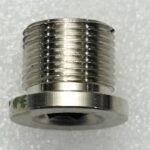
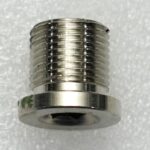
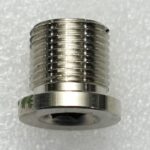
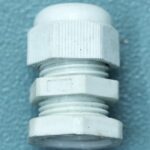
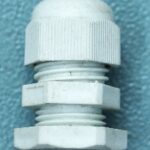
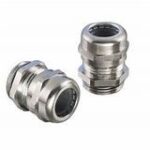
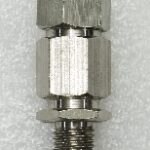

Our industrial cable glands and stopping plugs provide safe and strong electrical connections. They ensure safety and easy installation. Whether you need bulk orders, a standard setup or custom solutions, we have the right cable management solution for you.

Blocks unused cable entries for safety.
Provides a secure and strong seal for industrial cable connections.

Keeps hazardous areas safe.
Protects and secures cables of all sizes.

Built for quick setup and reliable performance.

Fits cables from 6mm to 8mm.
Corrosion-proof material ensures a long life.
CMRI (IIA-IIC) approved
IP66 rated to block dust and moisture.

Fast delivery for large quantity orders.

Built to match your exact needs.

Made for demanding workplaces.

Efficient cable management and safety are crucial in industrial and manufacturing environments. Instec India provides premium Cable Glands and Stopping Plugs designed to ensure secure cable entry, prevent moisture ingress, and maintain electrical safety.
Cable glands secure electrical cables at entry points of panels and enclosures, maintaining sealing integrity. Stopping plugs are used to seal unused entries to prevent dust, moisture, or contaminants from entering enclosures.

Made from corrosion-resistant materials (brass, nylon, or stainless steel).

IP65/IP68 rated for dust and water protection.

Easy installation with locking nuts.

Compatible with industrial control panels and hazardous area enclosures.

Available in multiple sizes for varied cable diameters.

Electrical panels and switchgear

Industrial machinery

Hazardous area installations

Automation and control systems
Cable Glands and Stopping Plugs ensure safe cable routing, prevent leakage of dust or water, and protect sensitive electrical systems in industrial environments.
Instec India delivers high-quality cable glands and stopping plugs designed for durability, reliability, and compliance with industrial safety standards. Trusted by factories, plants, and cleanroom facilities across India.
Looking for high-quality cable glands and stopping plugs? Reach out today for bulk orders and tailored solutions.
People use cable glands and stopping plugs in electrical setups to guide cables into equipment or enclosures. Cable glands secure cables and keep dust or moisture out. They also stop cables from being pulled loose. Stopping plugs block unused cable openings in panels or junction boxes sealing the space to keep contaminants like dust or gases out. These tools matter a lot in places like cleanrooms or hazardous sites where even small particles can cause issues.
In cleanrooms or industrial environments small contaminations or sealed equipment can harm safety or reduce how well machines work. Cable glands and stopping plugs make airtight and watertight seals. They stop dust, vapors, or unwanted particles from entering through cable entry points. This has great importance in industries like food processing, electronics manufacturing, oil and gas, or pharmaceuticals. These sectors need to meet strict cleanliness or explosion-proof standards.
Selecting the appropriate type depends on several factors. You should think about the cable size where you'll use it (such as indoors outdoors, or in areas with explosion risks), the material's suitability (like nylon stainless steel, or brass), and the needed IP rating to keep out water or dust. For use in dangerous areas, you need to pick flameproof or explosion-proof glands and plugs that meet standards such as ATEX or IECEx. For cleanroom applications, the parts should help reduce particles and withstand cleaning chemicals.
You can remove stopping plugs by either pulling them out or unscrewing them when you need extra cable openings. Whether you can reuse them usually depends on the material. Metal plugs are often reusable, but plastic ones may lose their fit or wear down after removal. Always inspect the plug before reusing it to make sure it still seals .
These components are installed in control panels, junction boxes, enclosures, and industrial equipment. People use them both inside and outside to ensure electrical safety and protect systems. In cleanrooms, they prevent cables from contaminating the environment helping to preserve the ISO classification. In hazardous zones, they stop ignition sources from triggering explosions.
A cable gland secures and seals a cable's endpoint to equipment or an enclosure. It provides strain relief and protection from conditions like dust or moisture. Cable termination however, focuses on preparing and connecting the cable's end to a terminal or connector to make an electrical link. The gland ensures the cable stays secure and shielded, while termination handles the proper electrical connection.