The Indian biotechnology sector is a fast-growing industry. Labs across the country are achieving breakthroughs in the development of life-saving vaccines and the most advanced therapeutics. But, for delicate biological materials, it is necessary to have a completely free environment from outside influences.
This is where a modern biotechnology cleanroom can come into play. It is no longer only a manual clean-up job to keep these areas clean. Modern smart cleanroom automation systems do the work these days. Such high-tech systems rely on automated technology to maintain a secure, reliable and compliant environment in compliance with rigorous global standards.
Contamination Risks and Need for Controlled Biotech Environments
Biotech facilities are used for the processing of living organisms, cell cultures and sensitive proteins. These materials are highly reactive and therefore very sensitive to the outside world.
The large sources of contamination are:
- Human Operators: The biggest contributor of particles in a clean room is the operators themselves. When people are moving, they leave behind skin flakes, hair and fibers from their clothes.
- Open Vials: Dust and pollen, as well as smoke, can get into open vials.
- Microbial Growth: If the temperature and humidity in the laboratory are not maintained properly, the bacteria, fungi and viruses can multiply rapidly.
In case there is no stringent contamination control in the cleanroom, contamination of one sample by another may occur. A batch of a drug may, for instance, be contaminated with a previous batch. This is a nightmare situation in sterile manufacturing. Products that are contaminated do not pass quality control, endanger patients and impact a company’s reputation. The only method to protect these delicate processes from the ever-present danger of contaminants is advanced contamination prevention.
Key Facility Control Systems in Biotechnology Cleanrooms
Today, the process of filtering out impurities is accomplished through the use of hardware and software. These contamination control systems are like a protective barrier that surrounds your production line.
1.Interlocking Systems
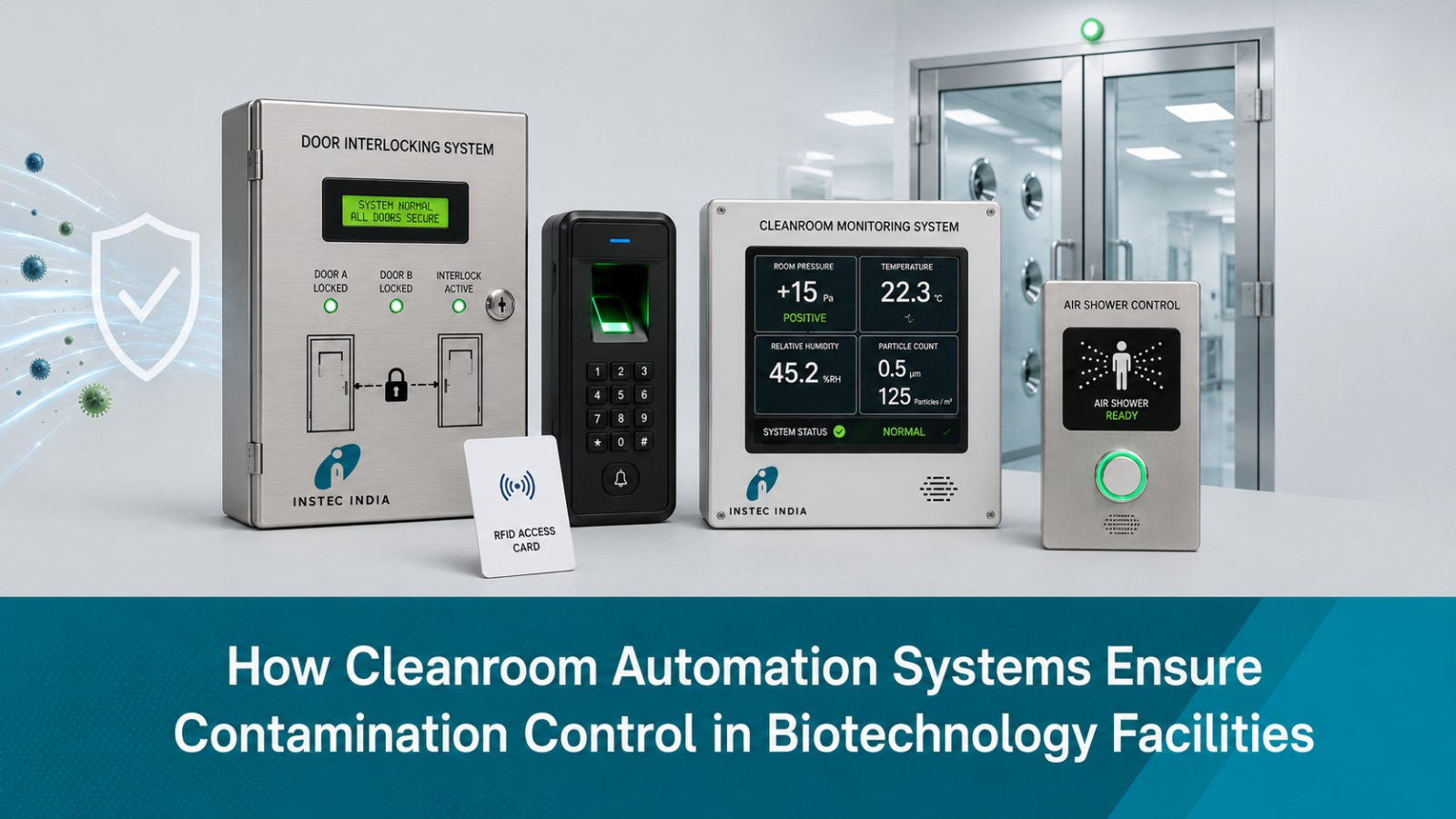
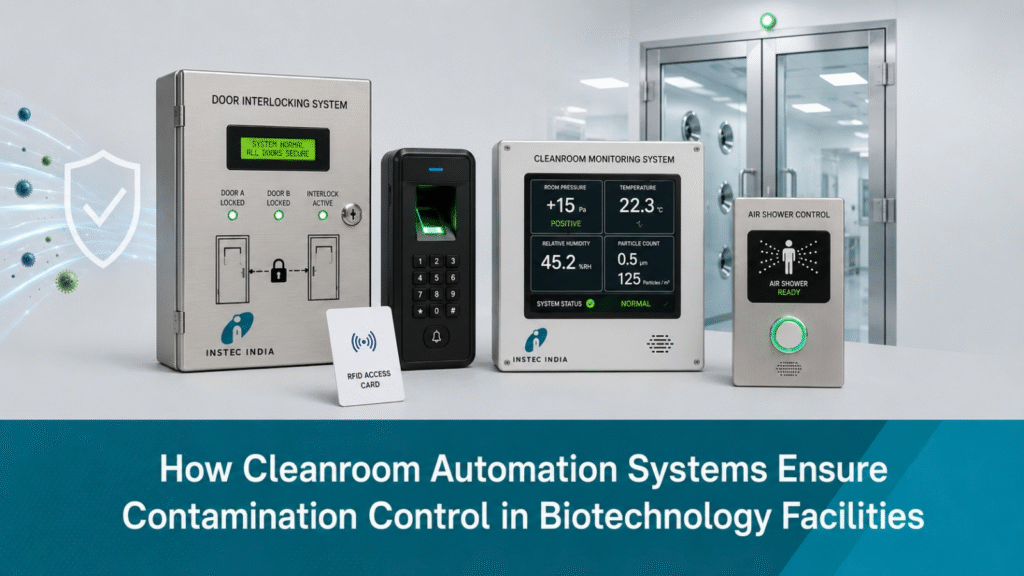
The point that is the weakest in a controlled space is the door. Interlocking systems prevent more than one door from being open to a cleanroom at any given time. The inner door will automatically lock when the operator opens the outer door and enters the changing room. This will avoid the dirty outside air from entering the sterile area in a rush. To view how these are constructed for Indian facilities, try out special products such as the Instec India door interlocking system.
2. Access Control Systems
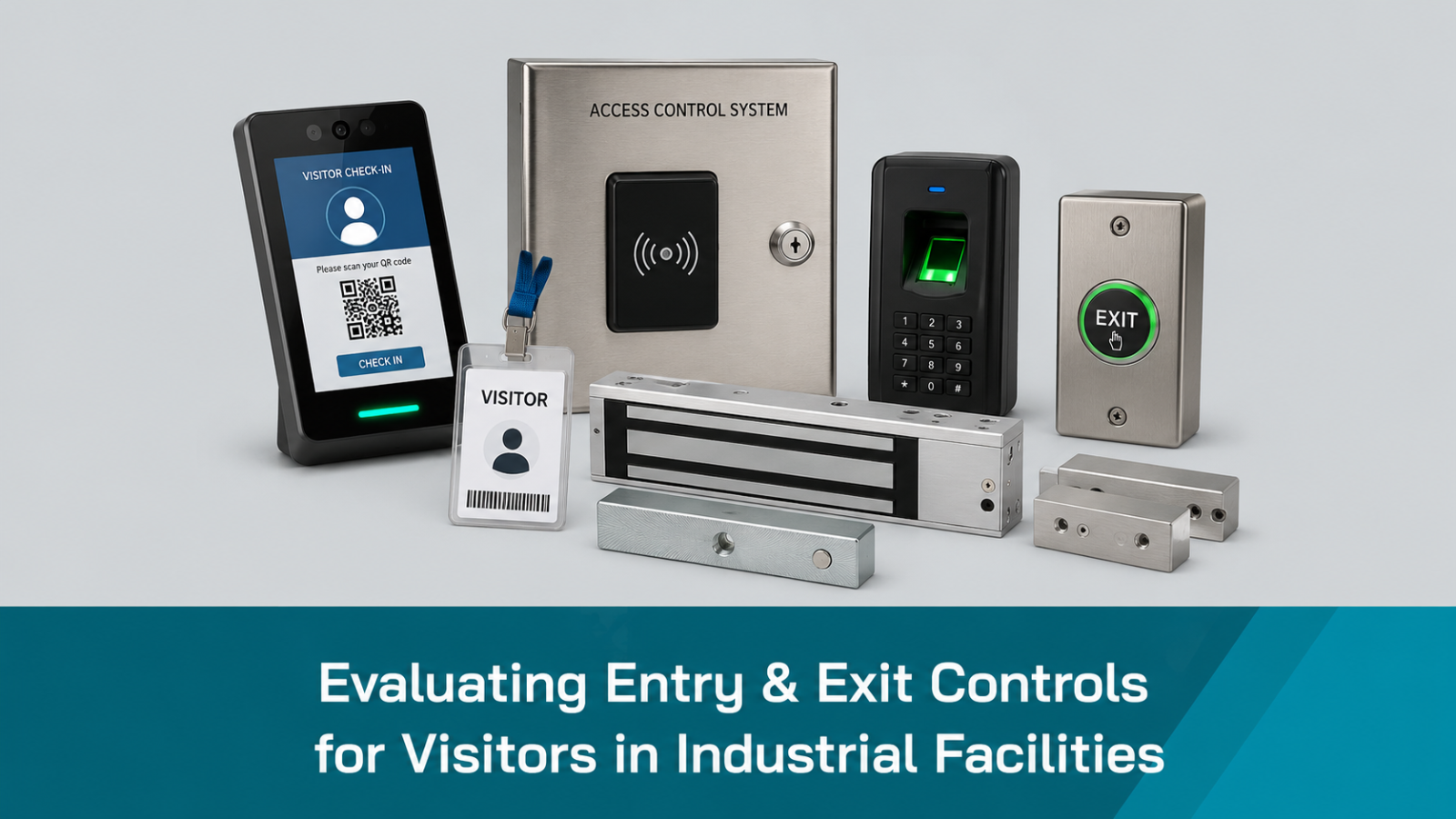
Not all staff members need to have access to all areas of a biotech facility. Uses advanced access control systems to limit access with biometrics, RFID cards or PIN pads. High-risk areas are not open to untrained and unauthorized personnel. This helps to minimize human traffic and, therefore, the quantity of shedding and dust that enters the area.
3.Cleanroom Monitoring Systems
What you can’t measure you can’t manage. Real-time monitoring systems in the cleanroom are used to monitor environmental factors. They monitor the pressure, humidity, temperature and particle count of the rooms. In case of pressure drop or temperature rise, the system will immediately notify the engineering team, preventing the product from being affected.
4.Automated Air Showers
Workers enter the main lab through an air shower. This high-velocity, HEPA-filtered chamber sucks air through the clothes and blows free dust. An air shower interlocking system with automation ensures that the workers remain in the chamber for the entire cleaning cycle until the last interlock door unlocks.
Integrated Workflow of a Biotech Cleanroom Control System
See how these individual cleanroom systems operate in a typical shift in the automated workflow below:
Step | Action by Staff | System Response | Safety Benefit |
1. Entry Request | Staff swipes badge at the main entrance. | Access control systems verify credentials and unlock the outer door. | Restricts entry to authorized and trained personnel only. |
2. Gowning Area | The operator enters the gowning room. | The outer door closes. The inner door remains locked via interlocking systems. | Prevents outside air from bypassing the buffer zone. |
3. Decontamination | The operator enters the air shower. | High-speed HEPA air jets activate for a pre-set timer. | Blows away loose particles from clothing before entry. |
4. Lab Entry | The operator exits into the active biotech lab. | Air shower doors lock behind them. Cleanroom technology adjusts pressure. | Maintains a positive pressure barrier against the hallway. |
5. Live Tracking | Production begins inside the cleanroom. | Cleanroom monitoring systems scan air quality and pressure 24/7. | Provides immediate warnings if air quality dips. |
Regulatory Compliance and GMP Alignment in Biotechnology Facilities
However, Indian manufacturers of biotech products have to face stringent regulatory authorities. The Central Drugs Standard Control Organisation (CDSCO) requires high standards of safety. Moreover, if you are thinking of exporting products to the USA and Europe, you have to adhere to USFDA and WHO standards.
Auto Cleanroom technology is crucial for GMP compliance (Good Manufacturing Practice). Data shows they gather, and they even tell you when your system is at risk. Such digital, tamper-proof audit trails can be created only by automated systems. So, they remove the guesswork.
Whenever a worker logs in, a sensor is triggered, or a door is opened, it is recorded. This data helps your biotechnology manufacturing process to remain in a safe range throughout the entire process. Compliance is essential to ensure your facility is open and your business is trusted worldwide.
Operational Benefits of Cleanroom Control Systems
While the initial investment in smart automation technology may be substantial, the benefits are quick to be realized in the day-to-day business.
- Less human error: doors are not closed, or washing steps are not followed. Automation means following protocol – no human error.
- Improved Product Yields: Less contamination will result in fewer bad batches and less waste.
- Lower Energy Bills: Intelligently designed systems adjust fan speeds and air conditioning usage based on room occupancy, This way saving energy and lowering energy bills.
- Fast Troubleshooting: Once the air quality drops, the maintenance teams are immediately notified, so they can take the necessary actions to prevent the batch from getting spoiled.
Future of Smart Cleanroom Systems with Digital Monitoring and Control
The next generation of cleanroom systems is becoming even wiser! We’re stepping away from systems that simply alert you when there’s a problem. Predictive and data-driven automation is the future.
Tomorrow’s facilities will be analyzing historical data from cleanroom monitoring systems with the help of Artificial Intelligence (AI). The software is able to detect very small changes in the power consumption of a fan motor, for example, and forecast the failure days in advance.
Moreover, cloud-based dashboards enable plant managers in cities such as Bengaluru, Mumbai or Hyderabad to monitor the status of the labs on their mobile devices. This will help Indian biotech organizations to be agile, competitive and world-class.
Conclusion
Creating a successful biotechnology cleanroom isn’t as simple as clean walls and a smooth floor. The only way to safety is intelligent control. Combining interlocking systems, tight control of access, and real-time monitoring creates a strong barrier to impurities.
With India becoming a global powerhouse in the biotech industry, it’s time to invest in your facility with automated cleanroom contamination control to safeguard your products, your people, and your profit.
FAQs
They prevent the simultaneous opening of two doors. This maintains room pressure and will not allow dirty outside air to rapidly enter sterile production areas.
The systems are installed to track the pressure, temperature, and other parameters in real-time. They document these in permanent, unchangeable records that will be submitted to show that your facility has followed safety guidelines during inspections.
Biotech products are frequently composed of living cells and sensitive proteins. A single batch can be ruined by the presence of bacteria or dust, and cause huge losses and safety risks.
Yes. Limiting access to authorised personnel will minimise foot traffic. The fewer people that are around, the fewer particles that are released into the air inside the room.