Intelligent access solutions are necessary to address the particular issues faced by healthcare facilities. Smart visitor control systems are currently the foundation of hospital security infrastructure, safeguarding immunocompromised patients from contamination threats and preventing infant abductions.
Why Visitor Control Is Critical in Hospitals
A hospital is always full of people: employees, patients, family members, and shoppers. Unlike other facilities, healthcare facilities have fragile people in them, like babies born before their due dates, people who are having surgery, and people whose immune systems aren’t working well. People who don’t have permission can hurt patients, spread diseases, kidnap babies, and steal drugs that aren’t allowed. Strong visitor control is crucial since data indicate that workplace violence in healthcare institutions is four times greater than in other industries.
Contamination Control in Sensitive Hospital Zones
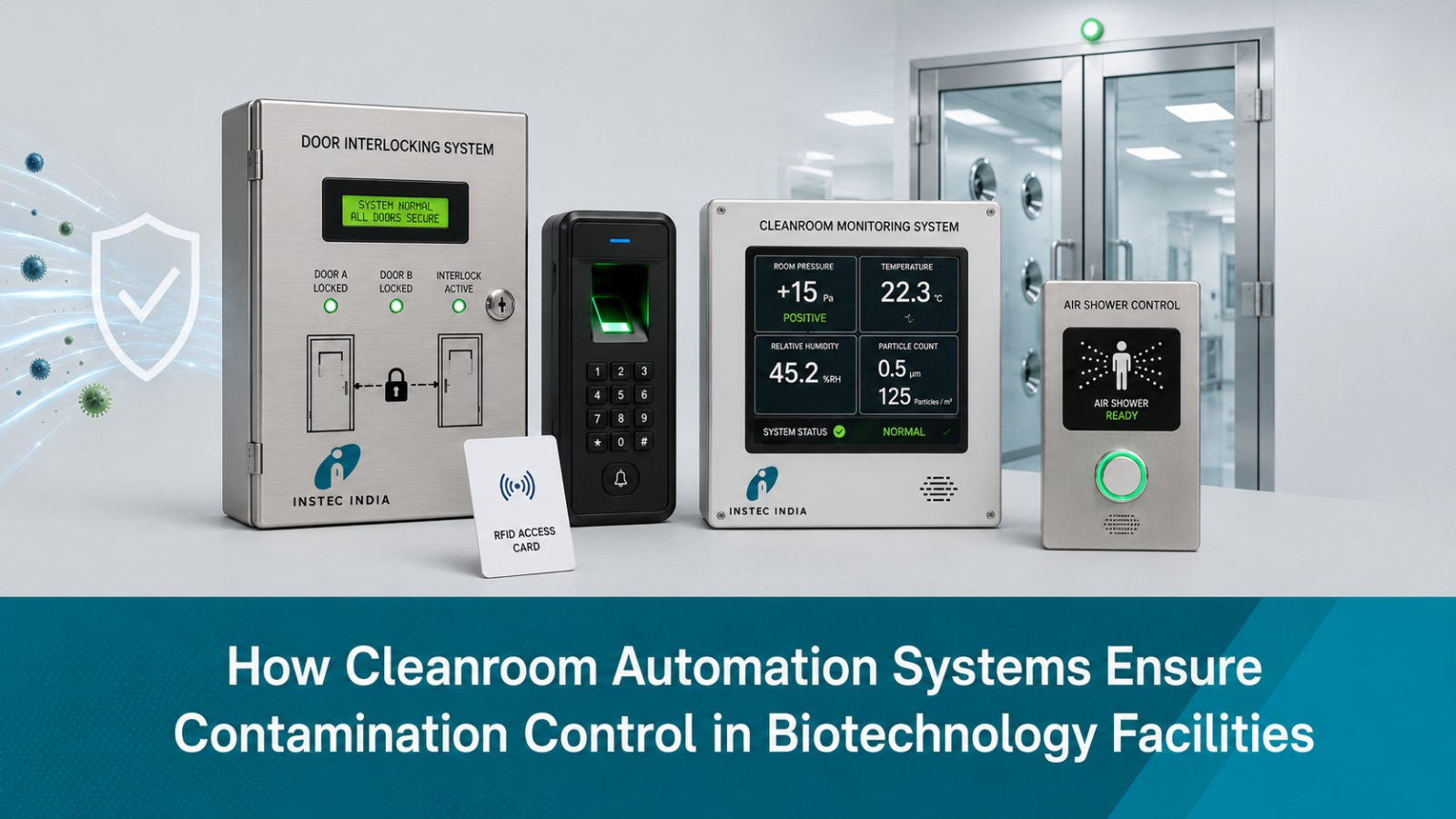
In contemporary healthcare, infection control is still of utmost importance. By preventing unwanted access, smart visitor systems keep operating rooms, burn units, and isolation rooms sterile. Sterilisation labs and intensive care units for immunocompromised patients are safeguarded by contamination control interlocking systems. These systems maintain pressure differentials that prevent pathogen entrance by making sure doors cannot open at the same time.
Role of Interlocking Systems in Hospital Access Management
To maintain air pressure and hygienic conditions in specified regions, a door interlocking system uses two connected doors, one of which cannot open until the other closes. Precise control over who accesses sensitive areas and when is made possible by this technology.
Three security layers are provided by contemporary interlocking systems:
- Basic Control: Opening one lock’s linked doors; doors stay unlocked by default.
- Medium Security: Credentials are needed for external access, and interior doors unlock after external doors close.
- Maximum Security: Every entry and exit requires authentication, with all other doors remaining closed
In order to minimise cross-contamination between sterile and filthy instruments—a critical factor in operating rooms handling sterile surgical equipment—hospitals utilise hygiene locks to keep clean and unclean materials apart.
How a Door Interlocking System Enhances Visitor Safety
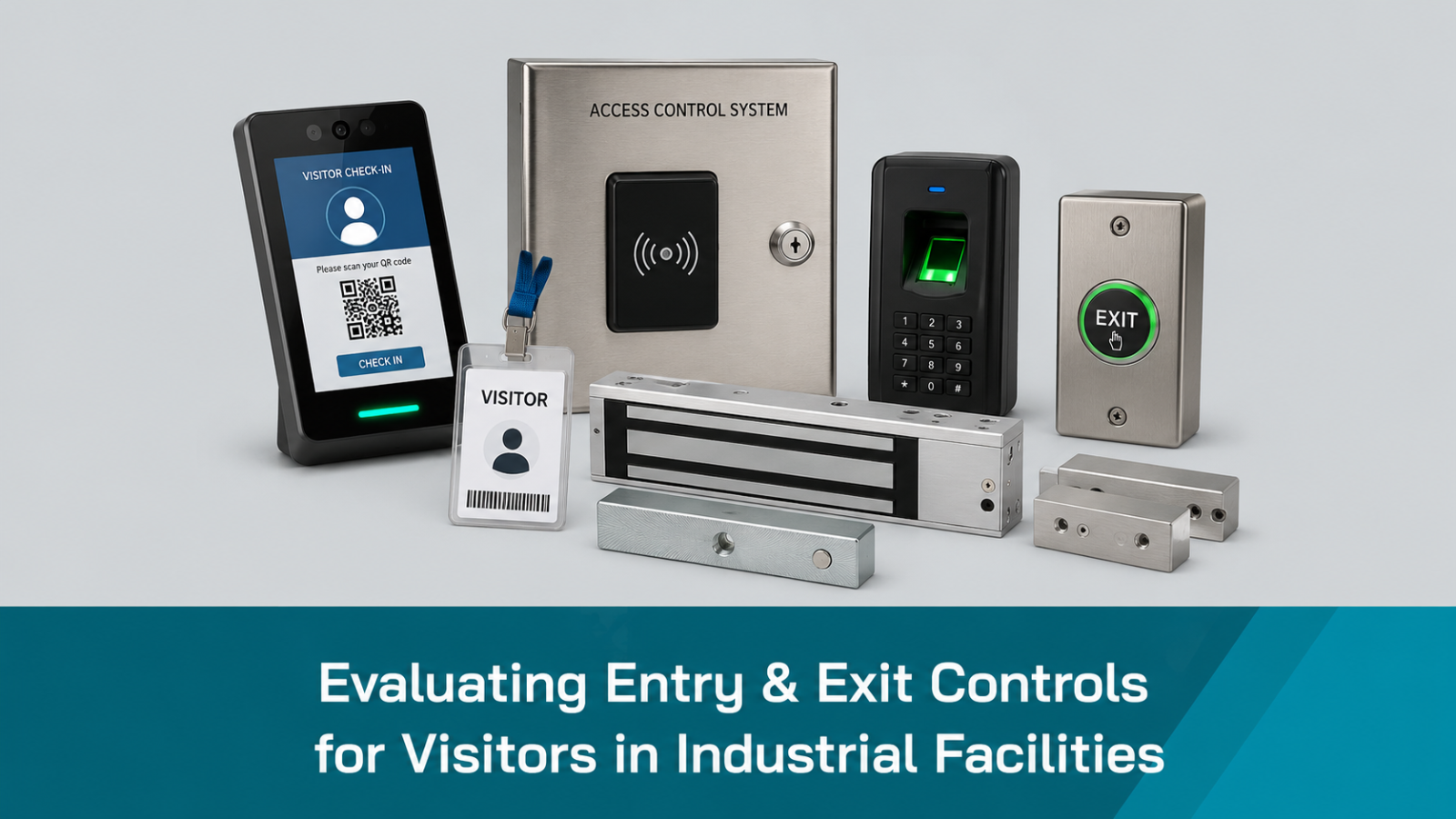
Tailgating and illegal access are prevented by door interlocking systems, which establish controlled entry points. Before being granted admission, visitors must go via secure airlocks where their credentials are checked. Every entrance attempt is monitored by these systems, which produce thorough audit trails for compliance. When someone tries to enter restricted areas without permission, real-time monitoring guarantees prompt reactions.
Electromagnetic Lock for Reliable Hospital Access Control
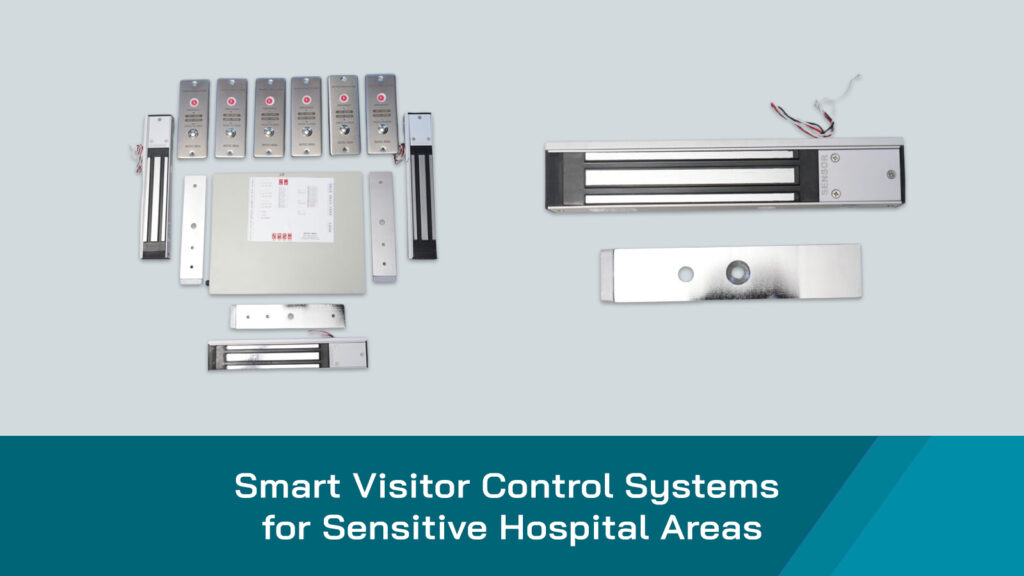
By securing doors with magnetic force, an electromagnetic lock offers failsafe security. Authorised guests scan their badges, the system confirms their credentials, and the lock releases in a matter of seconds when the electromagnetic lock is integrated with visitor control systems. In an emergency, these locks will open themselves so that everyone can get out safely. Since there are no moving parts, the design is always stable and doesn’t need much care.
Importance of Flameproof Switch Socket in Hospital Infrastructure
Specialised electrical components are needed in hospital environments because of the combustible materials, medicinal gases, and oxygen-rich atmospheres. These materials cannot be ignited by electrical sparks thanks to a flameproof switch socket. Standard electrical equipment presents significant dangers in settings that require oxygen therapy or anaesthetic gases. In operating rooms, intensive care units, and recovery spaces, the flameproof switch socket prevents external fire by containing any internal sparks within its casing.
Role of Flameproof Control Panel in Hospital Safety Systems
In dangerous hospital areas, the command centre for integrated security systems is the flameproof control panel. Explosion-proof standards are met by the electrical parts in these panels that handle alarms, monitoring devices, and access controls. By putting security controls in one place, hospitals can handle things like video cameras, electromagnetic locks, and other duties in high-risk areas.
Operational Benefits of Smart Visitor Control Systems
Beyond simple security, smart visitor control systems simplify hospital operations. Digital check-ins reduce wait times, letting staff focus on patient care. Real-time visitor flow management prevents peak-hour overcrowding. When guests come, staff members are automatically notified through integration with hospital administration software. Emergency response features allow facility lockdowns and mobile notifications for security workers.
Integration with Hospital Safety and Compliance Standards
Current visitor control systems follow municipal, Joint Commission, and HIPAA laws. Automatic logging simplifies compliance audits and incident investigations by recording all visitor activity. Full access logs show who went into restricted areas and show that safety rules were followed during regulatory checks.
Why Smart Access Control Is Essential for Modern Hospitals
Healthcare facilities face evolving threats that traditional security systems cannot tackle. Based on changing threats, smart access control scales from visitor management to emergency lockdowns without human intervention. By combining modern tracking, electromagnetic locks, and contamination control interlocking systems, a complete security network is created that guarantees patient safety while preserving operational effectiveness.
Conclusion
For hospitals looking for cutting-edge access control solutions in Mumbai and around India, Instec provides complete systems that are suited to medical needs. Our proficiency with integrated security platforms, flameproof components, door interlocking systems, and electromagnetic locks guarantees that your establishment satisfies the strictest safety regulations.
Get in touch with Instec to learn how our intelligent visitor control solutions can revolutionise the security setup of your establishment. To learn more about solutions made especially for healthcare settings, visit our pages on electromagnetic locks and door interlocking systems. Let us help you develop a safer, higher-quality hospital for patient recovery.
FAQs
A door interlocking system prevents connected doors from opening simultaneously to control pressure differentials and prevent cross-contamination.
In order to safeguard patients and employees from fire threats, flameproof switch sockets and control panels keep electrical sparks from starting flammable medicinal gases or oxygen-rich environments.
Smart systems create thorough audit trails that streamline HIPAA audits, Joint Commission reviews, and incident investigations by automatically logging all visitor behaviours with timestamps.