Industrial security breaches cost organisations millions of dollars in 2025. Problems weren’t usually created by complex cyberattacks. Intruders entered through doors without access controls. To stay up with automation, factories and warehouses need new security systems.
Old door locks and keys don’t function against new threats. Industrial sites contain distinct work times, contractors visiting, risky places, and strict laws. The solution is real-time electronic control systems that check, verify, and respond.
2026 Focus: Intelligent Electronic Control Systems Take Centre Stage
Now, industrial door access control works as an integrated layer of intelligence. Modern electronic control systems examine credentials and several data points simultaneously. These systems check shift schedules, training certifications, zone permits, and real-time threat assessments before admitting people in. This multi-layered verification happens in milliseconds, producing security that changes to fit your needs.
When you scan your card, the system checks several things. It verifies their identity, safety training, and approval to be there. This takes a few seconds. Automation eliminates mistakes and increases security in all buildings with hundreds of doors.
Biometric Door Access Control Transforms Industrial Security
Shared access cards can also weaken security. It’s typical for workers to lend badges or for stolen cards to be utilised. Biometric door access control solves this problem by making each entry unique and personal.
Face and fingerprint scanners make sure that only the proper individual can get in. Biometric systems cut down on security issues by 65% in factories. Despite having to deal with dirt, water, and very high or low temperatures, these devices work well in tough industrial settings.
Wireless & IoT Door Access Systems Enable Flexibility & Scale
Industrial sites change a lot. Flexible security is needed for new equipment, temporary workers, and changing schedules. When layouts change, wireless systems don’t need to be rewired, which saves money.
IoT-connected systems connect all of the electromagnetic door locks, sensors, and readers to one central hub. Managers can quickly provide or take away access from their phones. When a contractor’s job is done, they automatically lose access. Older systems that needed physical key returns couldn’t do this.
Innovations in Electromagnetic Lock & EM Lock Technologies
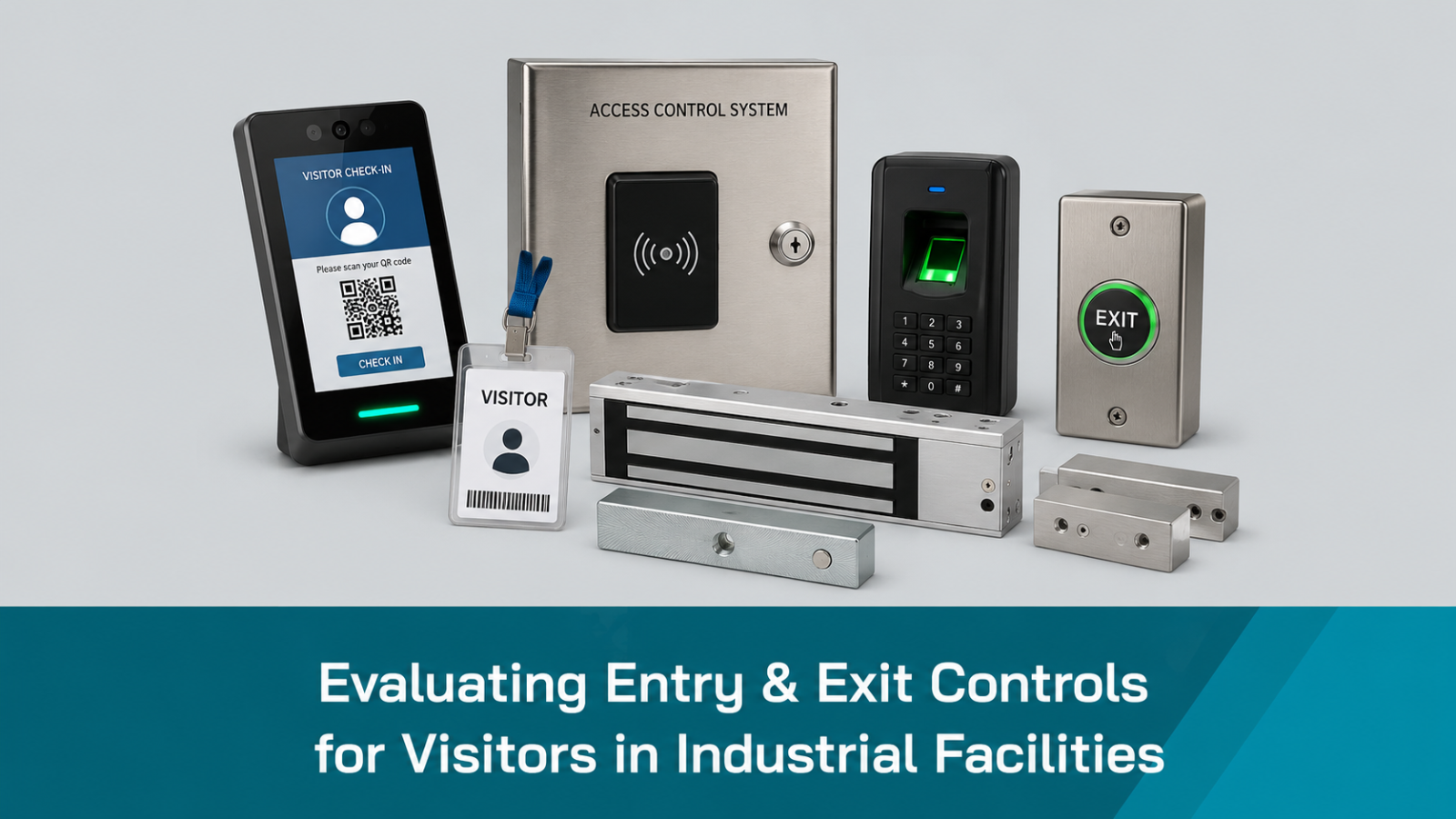
The fundamental electromagnetic lock has gotten a lot smarter. There are now fail-safe and fail-secure modes for EM locks. This allows you to decide what doors do when the power goes out or there is an emergency.
Modern electromagnetic lock systems can connect to fire sirens and help people get out of the building. Some doors unlock themselves in an emergency, but others stay locked for protection. This high-tech equipment can hold doors that weigh more than 1,200 pounds with relatively little electricity.
Smart Door Interlocking Systems Improve Safety & Compliance
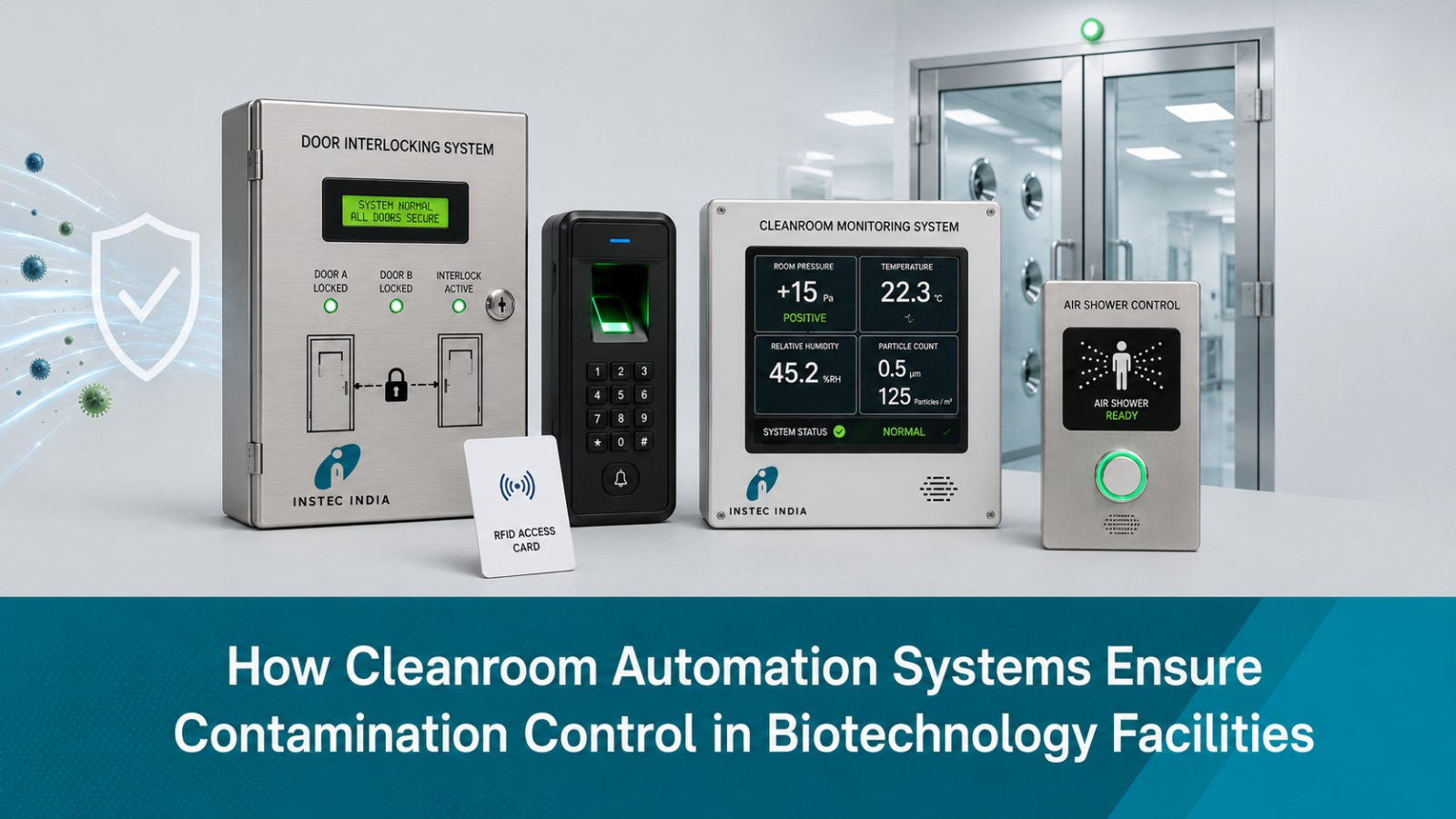
There are typically cleanrooms, chemical storage areas, and danger zones on industrial sites where regulating circulation is quite important. Locks prevent linked doors from opening simultaneously. This protects people and the environment.
Before letting people in, these systems verify the conditions with smart sensors. Before opening, a door interlocking system might check the air pressure, make sure safety gear is being worn, or make sure that dangerous machines are off. This keeps workers safe and stops pollution.
Advanced Sensors Like the FLP Switch Improve Access Accuracy
In industrial security, accuracy is important. The FLP switch and other sensors can tell exactly where a door is. They make sure that electromagnetic locks close all the way. These sensors stop security holes like doors that look locked but aren’t really.
New FLP products work with electronic control systems to send real-time status information. Before security falls, maintenance personnel get alerts when door switches stop working. This stops problems from happening in the first place.
What to Consider Before Upgrading Your Access Control
Some sites don’t need all of the tools. Remember these things:
- Will your hardware survive severe dust, chemical exposure, humidity, or temperature variations from freezing warehouses to high-heat production floors?
- How well does it work with your surveillance systems and alarms?
- How easy is it to add more people and doors as your business grows? How easy is it for the system to grow as your business does?
- Does it follow the safety requirements for your field?
- What happens to EM locks when the power goes out?
Make plans for a professional installation. Electromagnetic door locks and door switch systems that are not installed correctly can make things less secure. Unaligned sensors, incorrect fail-safe settings, and weak mounting points can compromise security. After installing something, an expert ensures that every item functions properly, keeping your system safe.
What’s Next Beyond 2026 in Industrial Access Control
AI-powered security systems will detect risks using predictive analytics. These platforms detect unusual conduct, such as a credential being used at unlikely times in different places, repeated attempts to access restricted chemical storage outside of production hours, or delivery trucks loitering in loading zones. Security teams may monitor one or twenty locations in real time with cloud integration.
Physical and digital security will intersect increasingly. Cybersecurity will apply to access credentials. If an employee’s network login shows suspicious activity, physical access can be restricted. This comprehensive plan safeguards all functioning assets.
Secure Your Facility with Confidence
Your industrial location needs access control that is as good as the work your team does. Intruders will find holes in old systems. Smart electronic control systems, biometric readers, and new electromagnetic locks make things safer and run more smoothly.
Instec India makes heavy-duty door access control systems that work well in difficult conditions. We assist in addressing security gaps and meet regulatory standards with everything from innovative door interlocking systems to dependable EM lock configurations. Get in touch with us to find out how contemporary access control keeps your business safe.
FAQs
An electromagnetic lock creates a magnetic field to close doors. Regular locks use mechanical parts. Because EM locks respond faster, electronic control systems work better.
Yes. Mesh networks are used by modern wireless technologies to reliably cover enormous areas. For sites with more than one building, they usually cost less than wired systems.
An FLP switch is a sensor that can tell where a door is and how it’s doing. It ensures that electromagnetic door locks work well and lets systems know when doors aren’t entirely closed.