Introduction: Why Cleanrooms Need Strict Access Control
One microchip requires cleaner air than a hospital operating room. A hidden dust particle can ruin months of research or a medicine batch. Germs move via normal doors in these tightly confined settings.
Every person who enters or leaves could carry particles, bacteria, or chemical vapours that lower product quality. Door interlocking systems create safe boundaries between clean spaces to solve this essential challenge.
What Are Door Interlocking Systems?
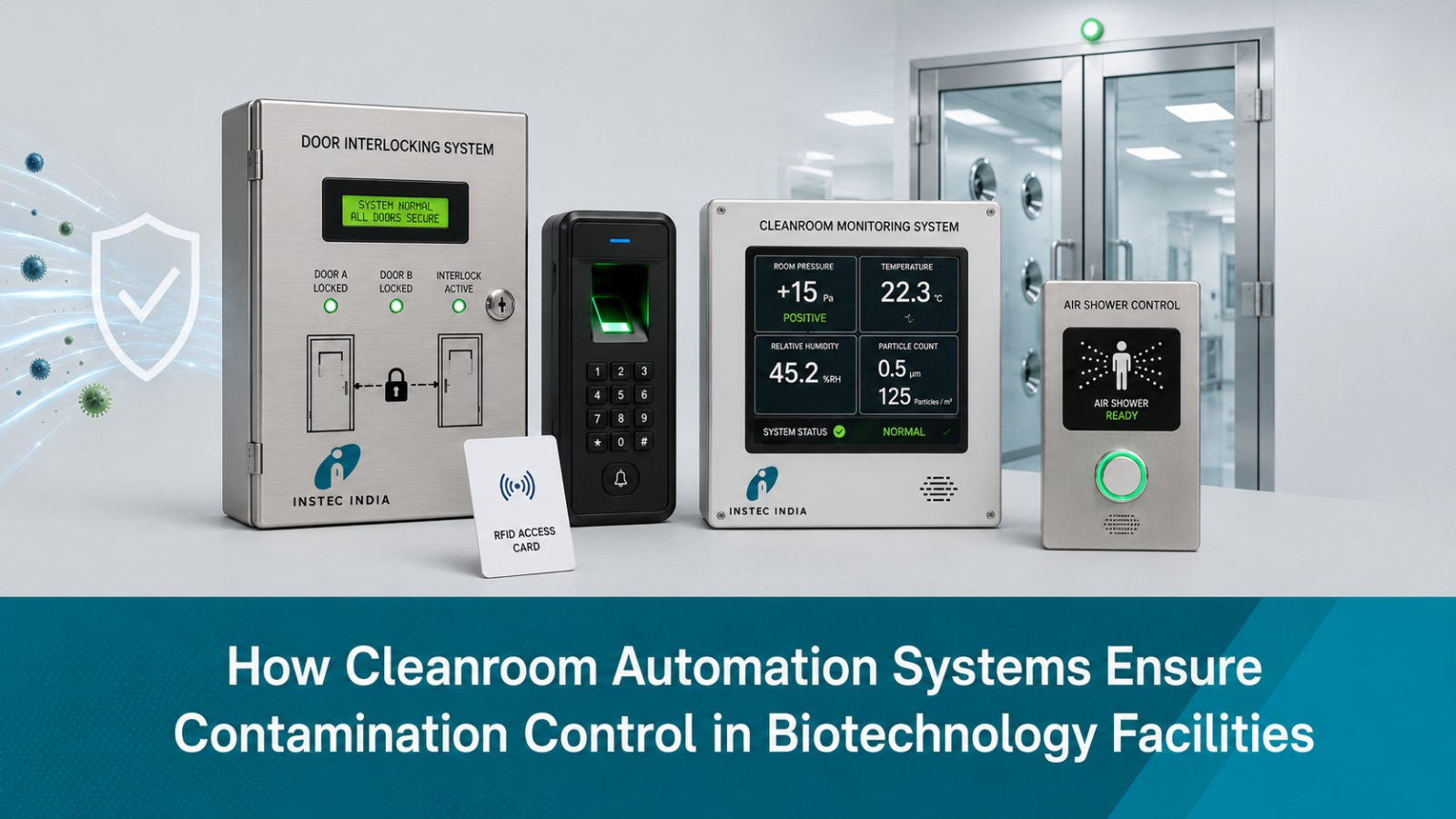
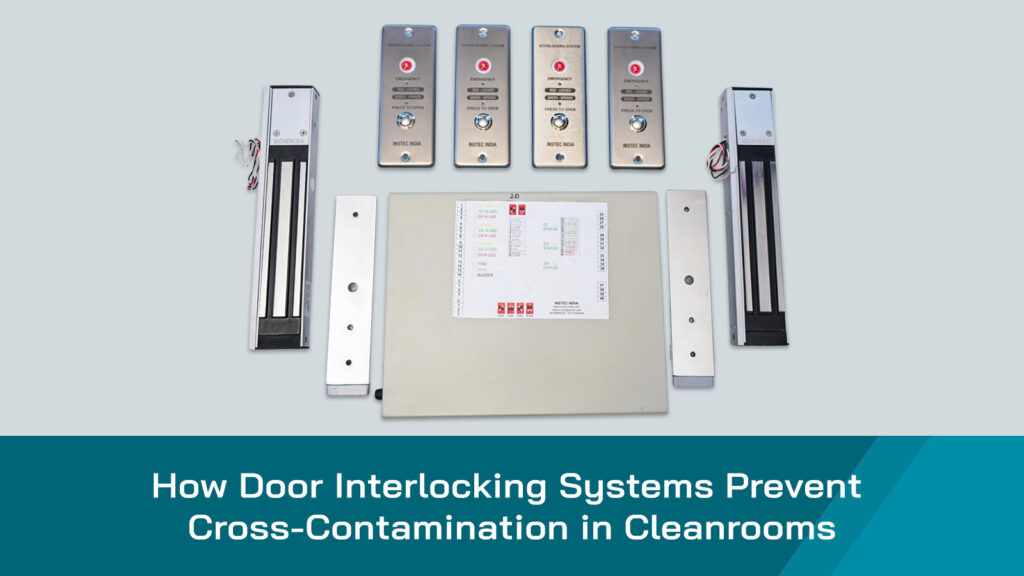
A door interlocking system is a specific device that can control more than one door at the same time. It makes sure that just one door opens at a time in an airlock or pass-through chamber. When one door opens, the system locks all the other doors that are connected to it. This stops people from being able to access several cleaning zones at the same time.
Electromagnetic locks, sensors, and control units are used by the system to control door operations. You can see which doors are open by looking at the visual cues. This technology is the most important part of cleanroom safety rules.
How Interlocking Prevents Cross-Contamination
Particles moving between dirty regions spread pathogens and chemicals. Interlocking doors stop this by keeping pressure differences across areas.
When both doors of an airlock open at the same time, air moves freely across the sections. This messes up the well-planned airflow control patterns. The door interlocking system gets rid of this risk by making sure that the doors open in order.
Some examples of cross-contamination are:
- Bacteria are moving from the hallways for workers to clean industrial areas
- Chemical vapours are travelling between production processes that don’t work together
- Particulates from packaging areas are getting into aseptic areas
Use Cases in Cleanroom Environments
Many companies use cleanroom doors with interlocking systems. Pharmaceutical companies utilise them to keep different drug production locations apart. These systems are important to semiconductor makers because they keep delicate chip-making processes safe.
In biosafety regions, research labs use interlocking systems. Food processing plants utilise them to keep things clean between the areas where food is prepared and packaged. Controlled access is needed for each application to keep it from getting contaminated.
Compliance with GMP, ISO, and Other Regulations
Regulatory organisations require high cleanroom requirements to keep contamination from happening. ISO 14644 standards say that classified cleanrooms must have the right airlock systems. The Good Manufacturing Practice (GMP) rules stress the importance of having good access control systems.
These rules are all about preventing cross-contamination by making sure that facilities are built correctly. Door interlocking systems assist businesses in following these rules. Regular validation ensures that rules are still being followed.
Features to Look for in a Cleanroom Door Interlock System
Some important qualities are:
- Electromagnetic locks that work even if they break
- Monitoring the state of doors in real time
- Ability to override in an emergency
- Working with systems for managing facilities
- Indicators of status that can be seen and heard
- The ability to watch from afar
- Running in a way that saves energy
- Materials for cleanrooms
Best Practices and Challenges
Some of the problems that come up during implementation are how hard it is to integrate systems and how much upkeep they need. Calibration regularly makes sure that everything performs as well as it can. Training workers helps them avoid mistakes that could put the system in danger.
Power outage and system failure protocols must be in emergency plans. Backup power systems keep everything going during outages. Records of system operations aid compliance audits.
Conclusion
To keep cleanrooms safe from cross-contamination, door interlocking mechanisms are particularly critical. These mechanisms maintain the area’s safety by limiting who can enter and making sure that doors open and close in the appropriate order. Following the regulations and keeping sensitive procedures safe are both made easier by proper implementation.
Buying good interlocking systems protects your investment in the cleanroom. Smart sensors and predictive maintenance features are making the technology better all the time.
Want to improve your cleanroom’s ability to keep out dirt and germs? Find the best door interlocking systems that satisfy the highest requirements in the market. Use systems that are reliable and compliant to keep your processes safe in sensitive areas.
FAQs
Interlocking doors avoid cross-contamination across cleaning zones by opening one at a time.
It keeps pressure differences and controlled airflow by stopping doors from opening at the same time. This could let unfiltered air into clean sections.
These systems are often used in places that make drugs, semiconductors, medical devices, food, and do biotechnology research.